Managing hip pain
Hip pain can affect almost every aspect of daily life. Walking, climbing stairs, getting in and out of a car, putting on shoes or simply getting a comfortable night's sleep can become increasingly difficult. Activities that were once effortless may start to feel like a challenge.
For some people, hip pain develops gradually over several years. For others, it begins following an injury or becomes noticeably worse over a relatively short period. Whatever the cause, persistent hip pain can affect your independence, confidence and quality of life.
The good news is that there are several treatment options available, ranging from physiotherapy and lifestyle adjustments to hip replacement surgery. The right approach depends on the underlying cause of your pain, its severity and how much it affects your everyday activities.
Mr Reza Jenabzadeh offers private orthopaedic consultations for patients experiencing hip pain, helping them understand their condition and explore appropriate treatment options, including hip replacement and robotic-assisted surgery where indicated.

What causes hip pain?
Hip pain can develop for several reasons. Identifying the underlying cause is an important first step towards effective treatment.
Hip pain can also be referred from the lower back or other areas. This is why a proper assessment is important before deciding on treatment.
When should you seek medical advice for hip pain?
Occasional discomfort after strenuous activity may settle with rest. However, you should consider seeking medical advice if your hip pain persists, keeps returning or begins to interfere with your normal routine.
Symptoms worth discussing with a clinician include:
Pain when walking, standing or climbing stairs.
Stiffness after sitting or when getting out of bed.
Difficulty putting on socks and shoes.
Pain that interrupts your sleep.
Reduced walking distance or difficulty exercising.
Increasing reliance on painkillers.
Difficulty with everyday activities that you previously managed comfortably.
Seek urgent medical attention if you develop sudden, severe hip pain following an injury, cannot put weight on your leg, or have a hot or swollen hip accompanied by fever or feeling unwell.
You do not need to wait until your symptoms become unbearable before seeking an assessment. Understanding the cause of your pain can help you make informed decisions about your treatment.

How can hip pain be treated without surgery?
Surgery is not necessary for everyone with hip pain. Depending on the diagnosis, non-surgical treatments may improve symptoms, maintain mobility and help you remain active.
Injections and other treatments
In selected cases, an injection may be considered to help manage symptoms. The potential benefits depend on the underlying condition, and injections are not appropriate for every patient.
These treatments may help some people avoid or postpone surgery. However, if pain and restricted movement continue to affect your quality of life despite appropriate treatment, it may be time to discuss whether surgery could help.
When should you consider hip replacement surgery?
Hip replacement surgery is commonly considered for people with significant hip joint damage, particularly from osteoarthritis, when pain and stiffness substantially affect daily life and non-surgical treatments have not provided sufficient relief.
You may wish to discuss hip replacement if:
Hip pain limits how far you can walk.
You struggle with stairs, dressing or getting in and out of a chair.
Pain regularly disturbs your sleep.
You have had to give up activities that are important to you.
Medication and other treatments no longer provide adequate relief.
Your symptoms are affecting your independence or overall quality of life.
The decision should be based on your symptoms, examination findings, appropriate imaging and personal circumstances, rather than an X-ray alone.
Hip replacement involves removing damaged joint surfaces and replacing them with artificial components designed to restore joint function and reduce pain.
For appropriately selected patients, surgery can offer substantial improvement in pain and mobility. However, recovery takes time, and every operation carries potential risks, including infection, blood clots, dislocation, fractures and the possibility of further surgery.
A consultation can help you understand the likely benefits, limitations and risks in your individual case.
What does hip replacement surgery involve?
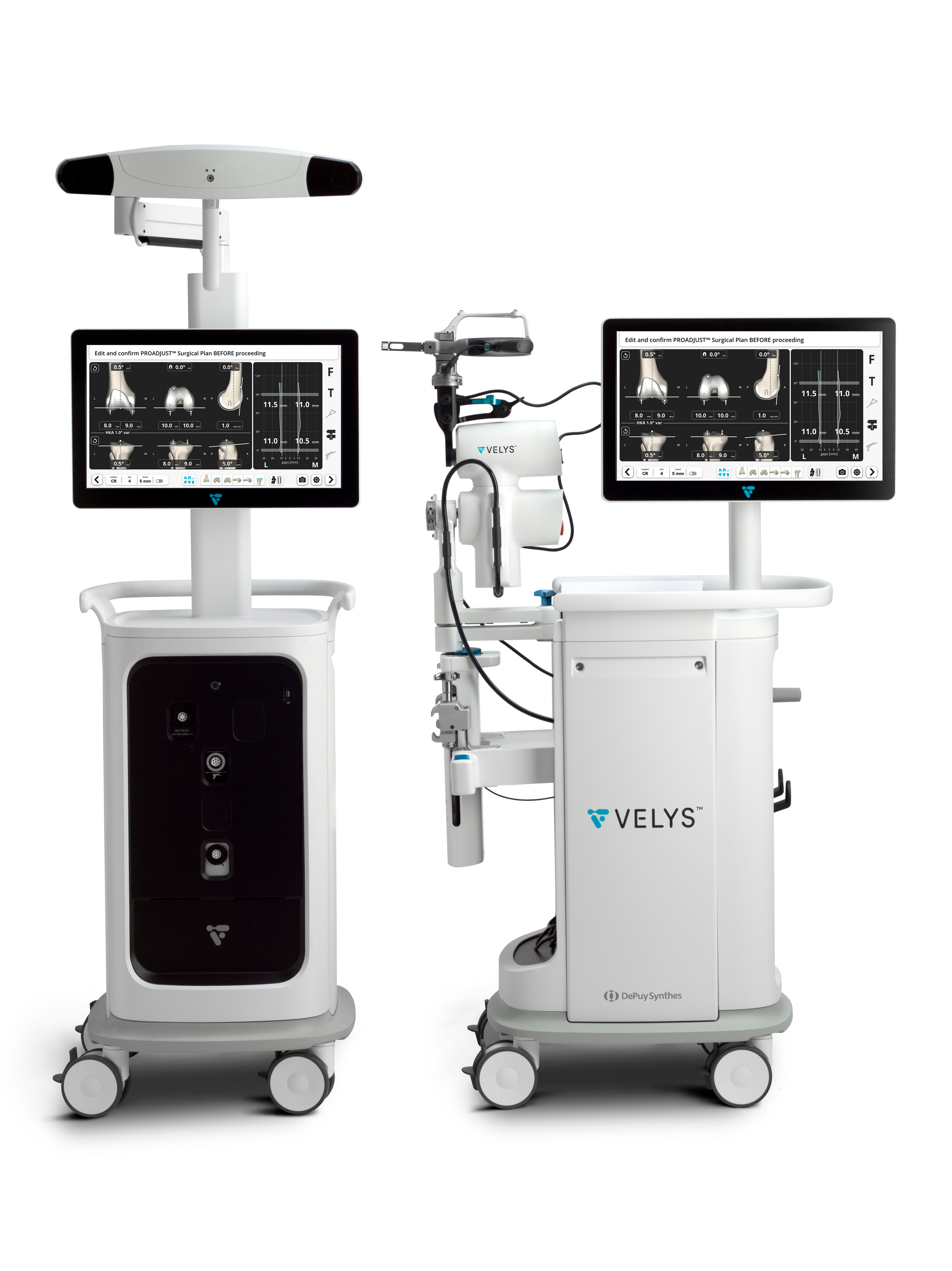
What is robotic-assisted hip replacement?
Robotic-assisted surgery is an option that may be considered for selected patients undergoing hip replacement.
The process typically involves preoperative planning and the use of specialised technology to assist the surgeon with aspects of positioning and alignment of the joint components. The precise approach depends on the robotic system and the operation being performed.
Potential advantages may include more detailed surgical planning and assistance with achieving the intended component positioning. However, robotic assistance does not mean that surgery is fully automated, and the surgeon remains responsible for planning and performing the operation.
It is also important to understand that robotic-assisted surgery is not automatically better for every patient. The potential benefits depend on the individual, the surgical technique and the circumstances of the operation. It may not be suitable or necessary in every case.
Mr Reza Jenabzadeh has a special interest in hip and knee surgery, including robotic-assisted joint replacement. During a private consultation, you can discuss whether this approach is appropriate for your condition and what it may mean for your treatment and recovery.
What happens during a private consultation with Mr Reza Jenabzadeh?
If hip pain is affecting your quality of life, a private orthopaedic consultation provides an opportunity to discuss your symptoms and understand the treatment options available to you.
Mr Jenabzadeh's assessment may include:
A discussion of your symptoms
You can explain when your pain started, where you experience it, what makes it worse and how it affects your work, sleep, mobility and daily activities.
A clinical examination
An examination may assess hip movement, stiffness, tenderness, walking pattern and other relevant aspects of your physical function.
Appropriate investigations
Where indicated, X-rays or other imaging may help identify the cause and extent of the problem. Existing scans and reports can be reviewed where available.
A personalised treatment plan
Following the assessment, you can discuss suitable options, which may include physiotherapy, medication, other non-surgical treatments or surgery.
An opportunity to ask questions
If hip replacement is being considered, you can discuss the procedure, implant options, robotic assistance where appropriate, potential complications, expected rehabilitation and recovery.
A consultation does not commit you to having surgery. Its purpose is to help you understand your condition and make an informed decision about the next steps.
What are the advantages of seeking a private orthopaedic consultation?
For patients who wish to explore private treatment, a private consultation can provide an opportunity to access a specialist assessment and discuss potential next steps.
Depending on the arrangements and availability, private care may offer greater choice over appointment times and the hospital where treatment takes place. If surgery is appropriate, you can discuss the proposed procedure, the costs involved and the expected pathway before deciding how to proceed.
Mr Jenabzadeh undertakes private practice at:
Highgate Hospital
Kings Oak Hospital
One Hatfield Hospital
The Cavell Hospital
Appointment availability and the procedures offered may vary between locations.
Please email or call my secretary on the contact details below to make an appointment.
Frequently asked questions about hip pain
Can hip osteoarthritis be treated without surgery?
Yes. Depending on the severity of the condition, treatment may include exercise, physiotherapy, activity modification, weight management and appropriate pain relief. Hip replacement may be considered if symptoms remain troublesome despite suitable non-surgical treatment.
How do I know if I need a hip replacement?
There is no single symptom or X-ray result that determines whether you need surgery. The decision takes into account your pain, mobility, daily activities, examination findings, imaging and response to other treatments. A specialist consultation can help establish whether hip replacement is a reasonable option.
Is robotic-assisted hip replacement better than conventional surgery?
Robotic assistance can help with surgical planning and component positioning in selected procedures. It does not guarantee a better result, and suitability should be discussed in your consultation
How long does recovery from hip replacement take?
Recovery varies between individuals. Many patients begin walking with assistance soon after surgery and gradually increase their activity as they recover. Returning to everyday activities often takes several weeks, while strength, confidence and endurance can continue to improve over subsequent months. Your recovery will depend on your general health, preoperative mobility, the procedure and your rehabilitation.
Can I have a private consultation before deciding on surgery?
Yes. A consultation allows you to explore your diagnosis and treatment options without committing to an operation. You can ask questions, consider the potential benefits and risks, and take time to decide what is right for you.