Managing Knee Pain
Treatment options and when to consider knee replacement surgery
Expert advice on knee pain, modern treatment options and private consultations with Mr Reza Jenabzadeh, Consultant Orthopaedic Surgeon specialising in hip and knee surgery.
Knee pain can have a significant impact on your everyday life. Walking, climbing stairs, getting up from a chair, exercising or even sleeping comfortably can become increasingly difficult when your knee is painful or stiff.
For some people, knee pain develops gradually over several years. For others, it begins after a sports injury, a fall or a sudden change in activity. Whatever the cause, persistent knee pain can limit your independence, reduce your confidence and prevent you from enjoying the activities that matter to you.
Fortunately, several treatment options are available. Understanding the cause of your symptoms is the first step towards finding an appropriate treatment.
Mr Reza Jenabzadeh offers private orthopaedic consultations for patients experiencing knee pain, helping them understand their condition and explore treatment options, including knee replacement and robotic-assisted surgery where appropriate.

What causes knee pain?
Knee pain can develop for a number of reasons. Identifying the underlying cause helps determine which treatments are likely to be suitable.
Pain can also originate from the hip or lower back rather than the knee itself. A clinical assessment can help distinguish between these possibilities.
When should you seek medical advice for knee pain?
Mild knee discomfort after exercise may settle with rest and appropriate adjustments to activity. However, you should consider seeking medical advice if your symptoms persist, repeatedly return or interfere with your normal routine.
Signs that an assessment may be helpful include:
Pain when walking, standing or climbing stairs.
Stiffness after resting or first thing in the morning.
Swelling that keeps returning.
Difficulty fully bending or straightening your knee.
A sensation that your knee gives way or feels unstable.
Pain that interrupts your sleep.
Difficulty exercising or participating in activities you enjoy.
Increasing reliance on painkillers to manage symptoms.
Seek urgent medical attention if you develop severe pain following an injury, cannot bear weight on the leg, have a locked knee, or experience a hot, red or swollen knee accompanied by fever or feeling unwell.
You do not have to wait until knee pain becomes unbearable before seeking advice. An early assessment can help clarify the diagnosis and identify suitable treatment options.
How can knee pain be treated without surgery?
Not everyone with knee pain needs an operation. Depending on the cause and severity of your symptoms, non-surgical treatments may reduce discomfort, improve movement and help you remain active.
Injections and other treatments
In selected cases, injections may be considered as part of a treatment plan. Their potential benefits depend on the underlying diagnosis, and not every injection is appropriate for every patient.
Other treatment options may be available depending on whether your symptoms arise from arthritis, a meniscal problem, an injury or another condition.
If these approaches do not provide sufficient relief and knee pain continues to affect your quality of life, it may be worth discussing surgical options with an orthopaedic surgeon.
When should you consider knee replacement surgery?
Knee replacement surgery may be considered for people with significant knee joint damage, particularly from osteoarthritis, when pain and restricted movement substantially affect daily life despite appropriate non-surgical treatment.
You may wish to discuss knee replacement if:
You struggle to walk reasonable distances because of pain.
Climbing stairs or getting up from a chair has become difficult.
Knee pain regularly disturbs your sleep.
You have stopped participating in activities that are important to you.
Medication and other treatments no longer provide sufficient relief.
Your knee stiffness or pain is affecting your independence.
The decision to have surgery should take into account your symptoms, examination findings, imaging, general health and personal priorities. An X-ray alone does not determine whether a knee replacement is necessary.
During knee replacement surgery, damaged joint surfaces are replaced with artificial components designed to restore joint function and reduce pain.
Depending on the extent and location of the damage, we may discuss a total knee replacement or, in selected cases, a partial knee replacement.
For appropriately selected patients, knee replacement can improve pain and everyday function. However, recovery requires rehabilitation, and results vary between individuals. Potential complications include infection, blood clots, stiffness, persistent pain, implant-related problems and the possibility of further surgery.
A specialist consultation can help you understand whether knee replacement is appropriate and what the procedure could involve in your circumstances.
How long will my knee replacement last?
What is robotic-assisted knee replacement?
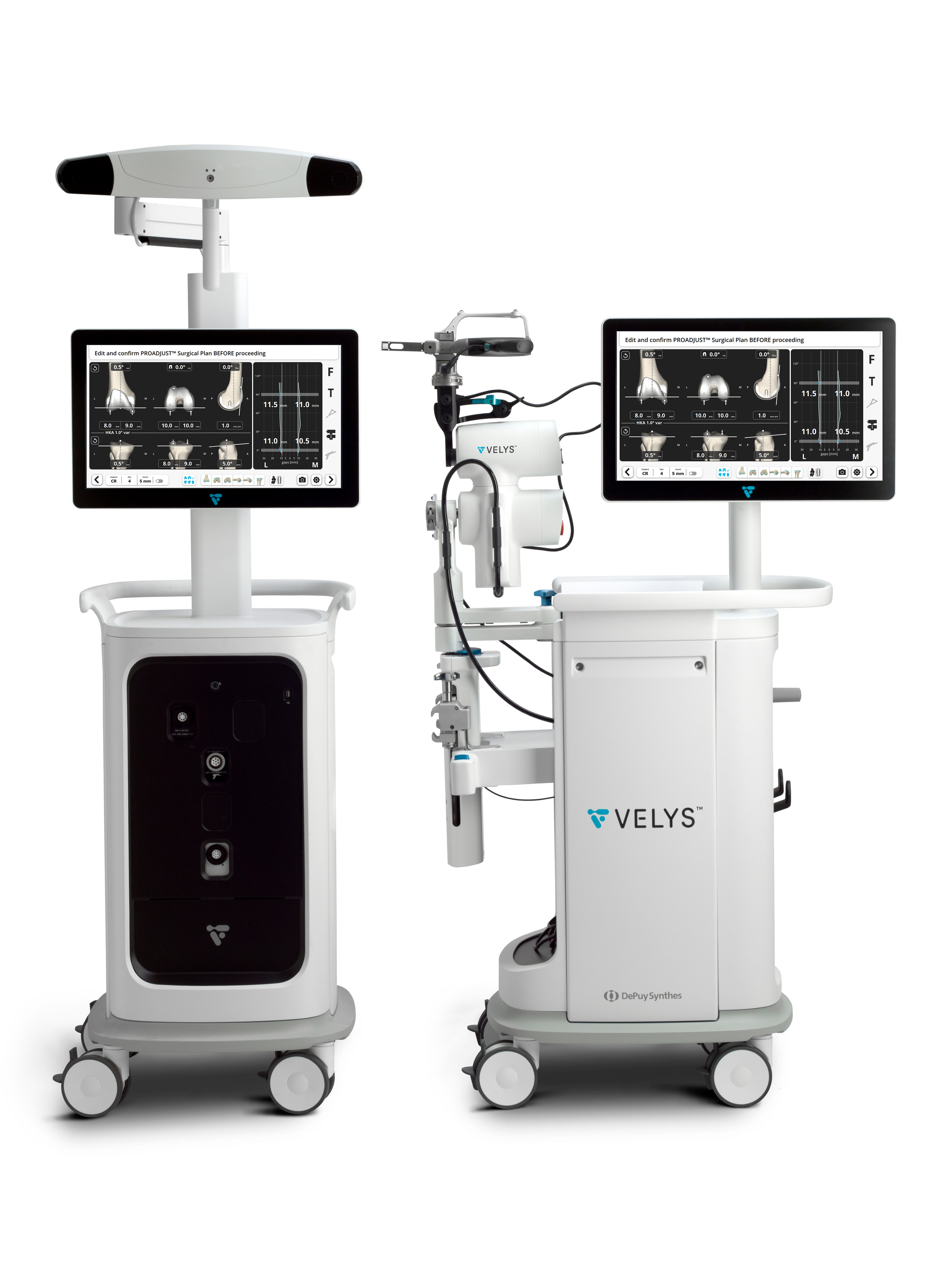
Robotic-assisted knee replacement is a surgical approach that uses specialised technology to assist the surgeon with planning and aspects of the operation.
Depending on the system used, this may involve detailed preoperative planning, assessment of the knee's anatomy and assistance with the positioning and alignment of the artificial joint components.
The surgeon remains responsible for the procedure. Robotic technology does not perform the operation independently, and its use does not eliminate the risks associated with surgery.
Potential advantages may include more detailed planning and assistance with achieving the intended component positioning. However, the benefits vary according to the technology, surgical technique and outcome being considered. Robotic assistance does not guarantee less pain, faster recovery or a better long-term result for every patient.
Mr Reza Jenabzadeh has a special interest in hip and knee surgery, including robotic-assisted joint replacement. If you are considering knee replacement, a private consultation provides an opportunity to discuss whether a robotic-assisted approach is suitable for your individual condition.
You can ask about the technology used, the reasons it might be recommended, alternative surgical approaches and what to expect during recovery.
What happens during a private consultation with Mr Reza Jenabzadeh?
If knee pain is affecting your mobility or quality of life, a private consultation can help you understand the cause of your symptoms and explore appropriate treatment options.
A discussion of your symptoms
You will have the opportunity to explain when your knee pain started, where you experience it, what makes it worse and how it affects walking, work, exercise and sleep.
A clinical examination
The assessment may include examining your knee's movement, stability, swelling and tenderness, as well as observing your walking pattern and assessing other relevant joints.
Appropriate investigations
Depending on your symptoms, X-rays or other imaging may be recommended to help establish the diagnosis. Existing scans and reports can also be reviewed where available.
A personalised treatment plan
Following the assessment, you can discuss appropriate options. These may include physiotherapy, medication, injections where indicated, or surgery if the potential benefits justify it.
A discussion about surgery and recovery
If knee replacement is being considered, you can discuss the type of procedure, implant options, robotic assistance where appropriate, potential risks, rehabilitation and anticipated recovery.
A private consultation does not commit you to having surgery. It gives you the opportunity to understand your options and make an informed decision at your own pace.
Why consider a private knee consultation?
For patients wishing to explore private orthopaedic care, a private consultation provides an opportunity to discuss their symptoms with a specialist and consider the available treatment pathways.
If surgery is recommended, you can discuss the proposed procedure, expected recovery, costs and follow-up arrangements before deciding whether to proceed.
Mr Reza Jenabzadeh undertakes private practice at:
Highgate Hospital
Kings Oak Hospital
One Hatfield Hospital
The Cavell Hospital
Appointment availability and the procedures offered may vary between locations.
Please email or call my secretary on the contact details below to make an appointment.
Frequently asked questions about knee pain
Can knee osteoarthritis be treated without surgery?
Yes. Many people manage knee osteoarthritis with exercise, physiotherapy, activity modification, weight management where appropriate and pain relief. Surgery may be considered if symptoms continue to significantly affect everyday life despite appropriate non-surgical treatment.
How do I know if I need a knee replacement?
There is no single symptom or scan result that determines whether you need surgery. Your pain, mobility, daily activities, examination findings, imaging and response to other treatments all help inform the decision. An orthopaedic assessment can help establish whether knee replacement is a reasonable option.
Is robotic-assisted knee replacement better than conventional surgery?
Robotic assistance can help the surgeon plan and perform aspects of the operation. Your surgeon can explain the potential advantages and limitations for your circumstances.
How long does recovery from knee replacement take?
Recovery varies depending on your general health, mobility before surgery, the procedure and your rehabilitation. Many patients begin walking with assistance soon after surgery. Everyday activities often become easier over the following weeks, while strength, endurance and confidence can continue to improve over several months. Full recovery may take longer.
Can I have a private consultation without committing to surgery?
Yes. A consultation allows you to discuss your symptoms, understand your diagnosis and explore suitable treatments. You can ask questions, consider the benefits and risks and take time to decide what is right for you.
Is knee replacement suitable for younger patients?
Age alone does not determine whether someone is suitable for knee replacement. The decision depends on the underlying joint damage, severity of symptoms, impact on quality of life, general health and other individual factors. Implant longevity and the possibility of future revision surgery are important considerations to discuss with your surgeon.
Knee Arthroscopy
This is a simple day case procedure performed under general anaesthetic to look directly at structures in the knee. It can be used to address issues such as meniscal tears, ACL ruptures, loose bodies and other soft tissue injuries around the knee. This is a minimally invasive technique with two small scars on either side of the knee cap. Patients are usually home on the same day of the operation.